
Scandinavian Biolabs just launched in +300 Boots stores.
We’ve done retail before, working with some really cool stores in the Nordics. But we’ve never done anything at this scale. Now that we’re live in-store, I wanted to share what we learned, what we got right, and what I would do differently.
1. Retail's role depends on your category
For some brands, retail is mainly about distribution and volume. But it’s not always the case.
We’re in a category where trust is everything. Hair loss is emotional. A lot of people come to the category because they are worried and frustrated, and usually already a bit skeptical. Honestly, they should be skeptical. This category has been full of miracle claims, overpromising, and products that sound too good to be true.
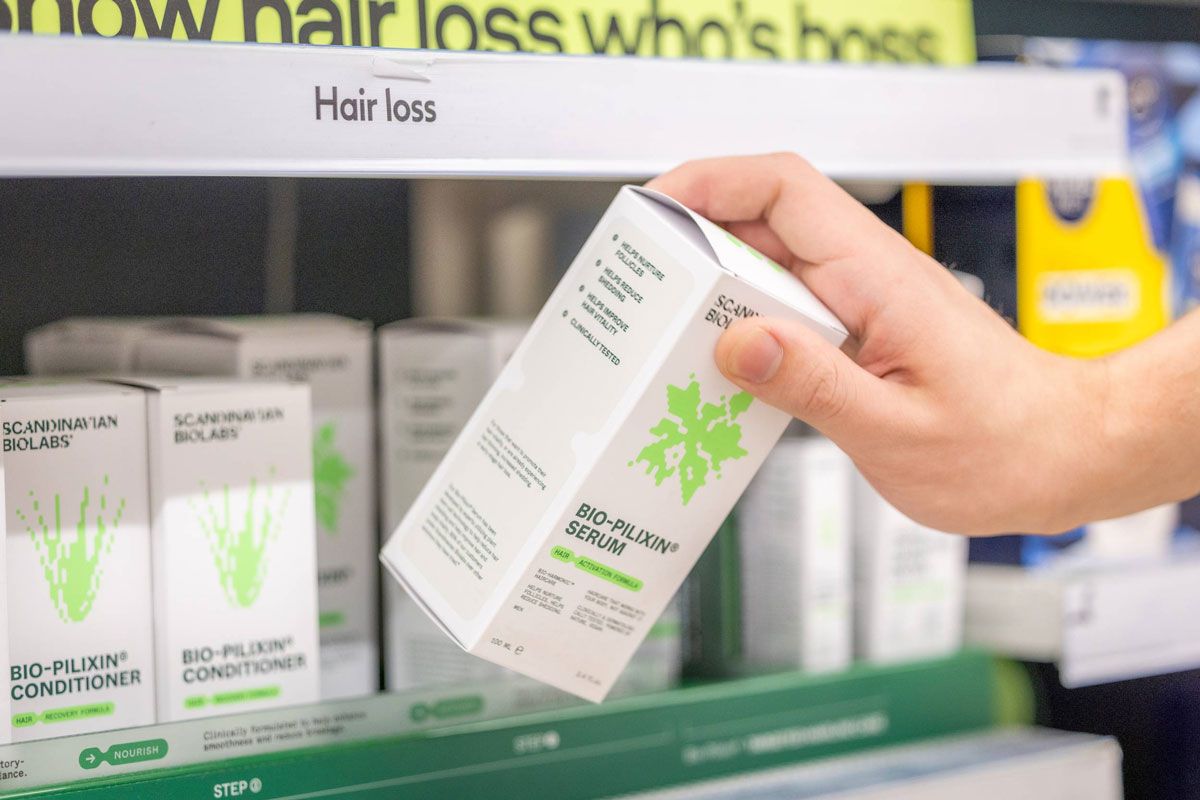
So for us, the question with retail is not only "where can we sell more?" It is just as much "where do we need to be to build trust?" The outlet matters a lot. A trusted retailer can validate the brand in a way that is very hard to do through your own channels alone. The wrong retailer can without doubt do the opposite.
DTC is still core to our business. It gives us speed, data, direct customer feedback, subscriptions, and the ability to test quickly. Retail gives us something else: physical presence, credibility, access to customers who may not buy from a brand they only see online, and a stronger sense that Scandinavian Biolabs is a serious brand in the category.
2. Trust comes from where you sell, not just what you sell
People already trust Boots. When someone sees Scandinavian Biolabs in Boots, it gives an extra layer of reassurance. It tells the customer this is not just another random brand they found through an Instagram ad at 11pm while panicking about their hairline. It puts us in a context people already understand: health, beauty, pharmacy, advice, credibility.
You can have the best clinical study, the best product experience, and the best ingredients. But if the consumer's starting point is "I don't know if I trust this," you still have a lot of work to do.
Landing a retail spot with a partner like Boots doesn’t replace that work. You still need proper products, proper documentation, proper claims, proper education. And you need to convince the buyer first — they have far more time and scrutiny than a regular consumer, and your studies, claims, and compliance need to be on par with the best out there.
In short: Boots acts as a filter and a shortcut to consumer trust. For us, it also offers brand validation.
3. Use the launch to learn what dashboards can't tell you
We tried to treat the Boots launch as more than a commercial activation. Of course, there was a lot of operational work. Forecasting, logistics, product information, assets, retail setup, stock, internal ownership, making sure everyone knew what was happening. All the unsexy things.
But we also saw it as a brand moment, and wanted to use it properly. We planned around in store visibility, connecting with creators and journalists, customer interaction, content, and how we could connect the physical retail launch with the digital brand we have built over the last few years.
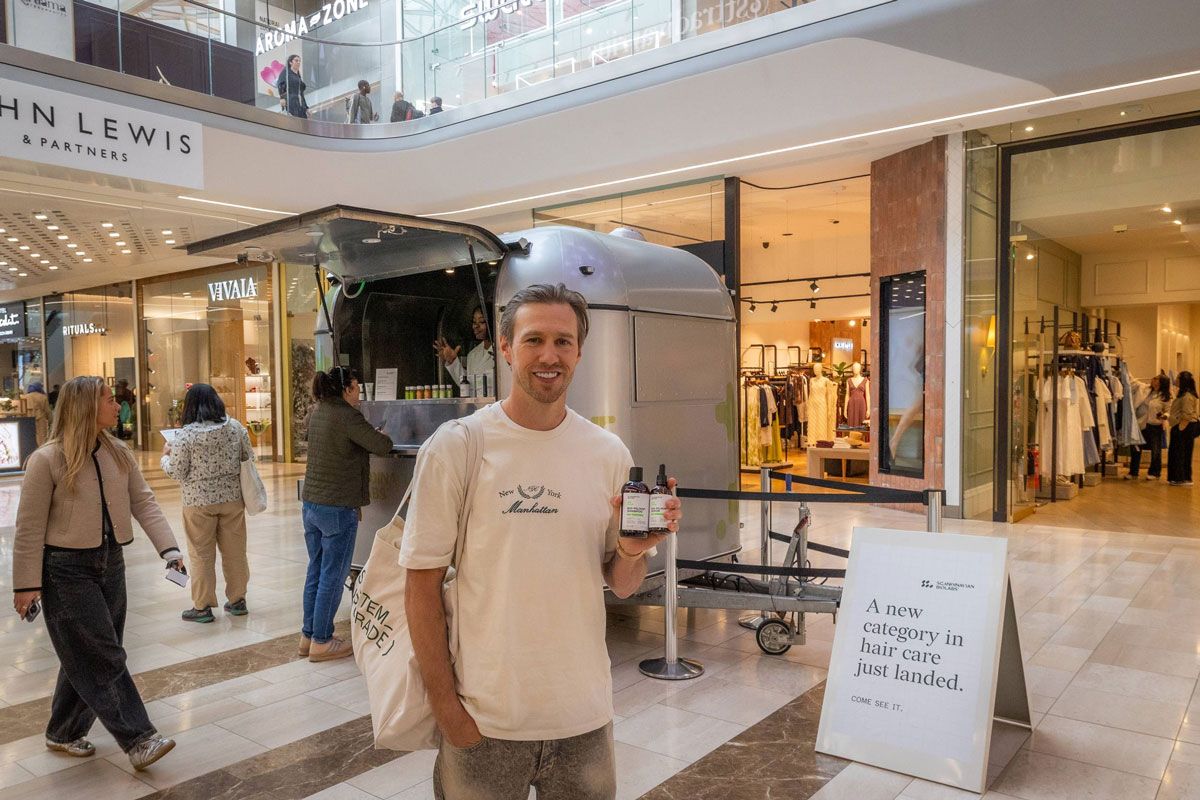
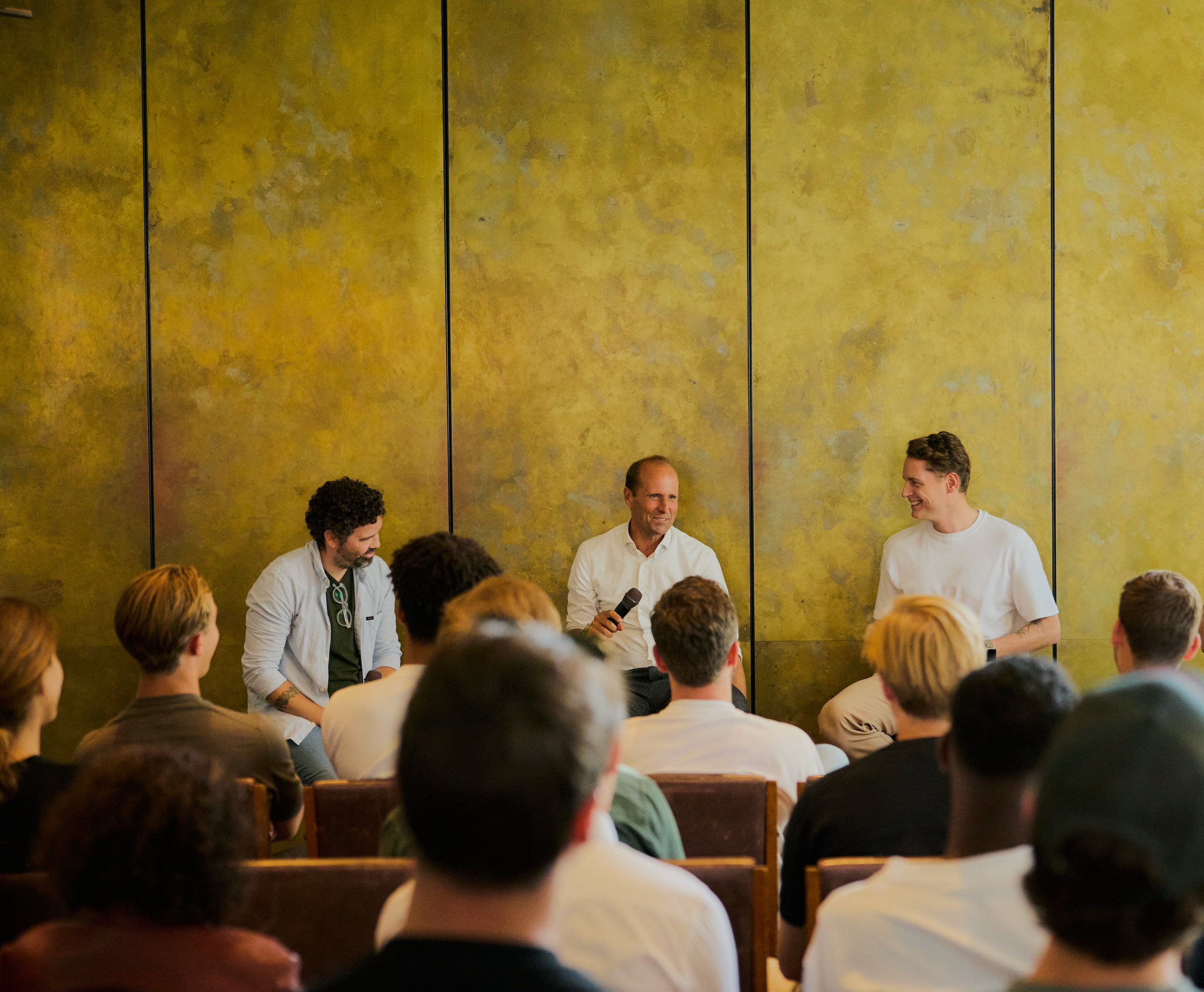
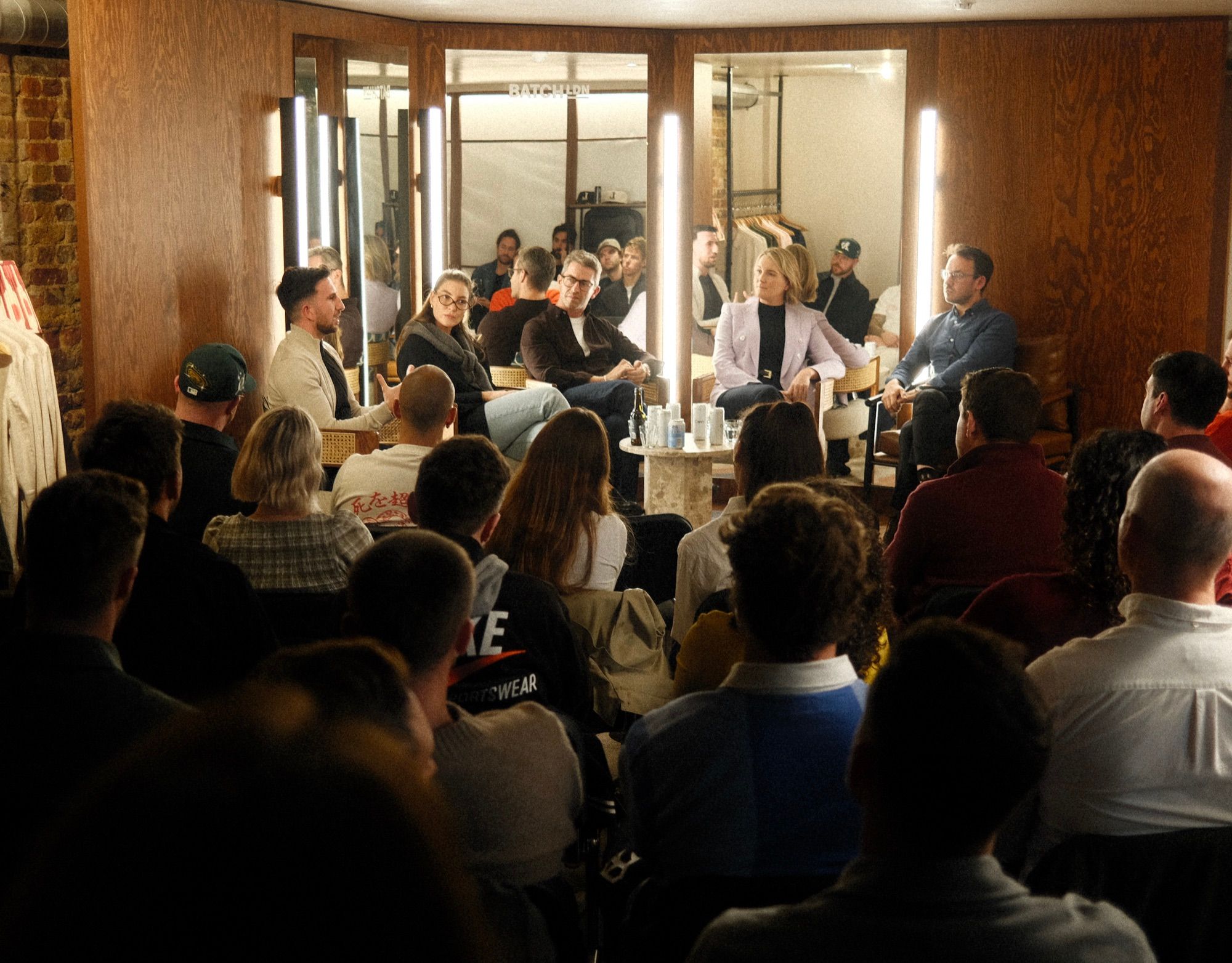
The launch event in Westfield was part of that. You have huge foot traffic (~70,000 people daily across the location), real customers, real reactions, and a chance to see how people respond when the brand is in front of them physically. That is very different from looking at dashboards. Dashboards are useful, but they don’t tell you how someone hesitates before picking up the box, what questions they ask, or what they are embarrassed to say out loud. That kind of learning is very valuable.
4. Getting listed isn't the win, sell-through is.
A lot of founders look at retail and think the win is getting listed. It’s not. Getting listed is nice, but it’s only the start.
Join European founders, operators, and investors who read The Checkout every week.
The win is sell-through. The win is making sure the retailer is excited, the stores are compliant, the product is visible, the stock is right, and the channel actually strengthens the brand instead of just becoming a very expensive logo on a slide.
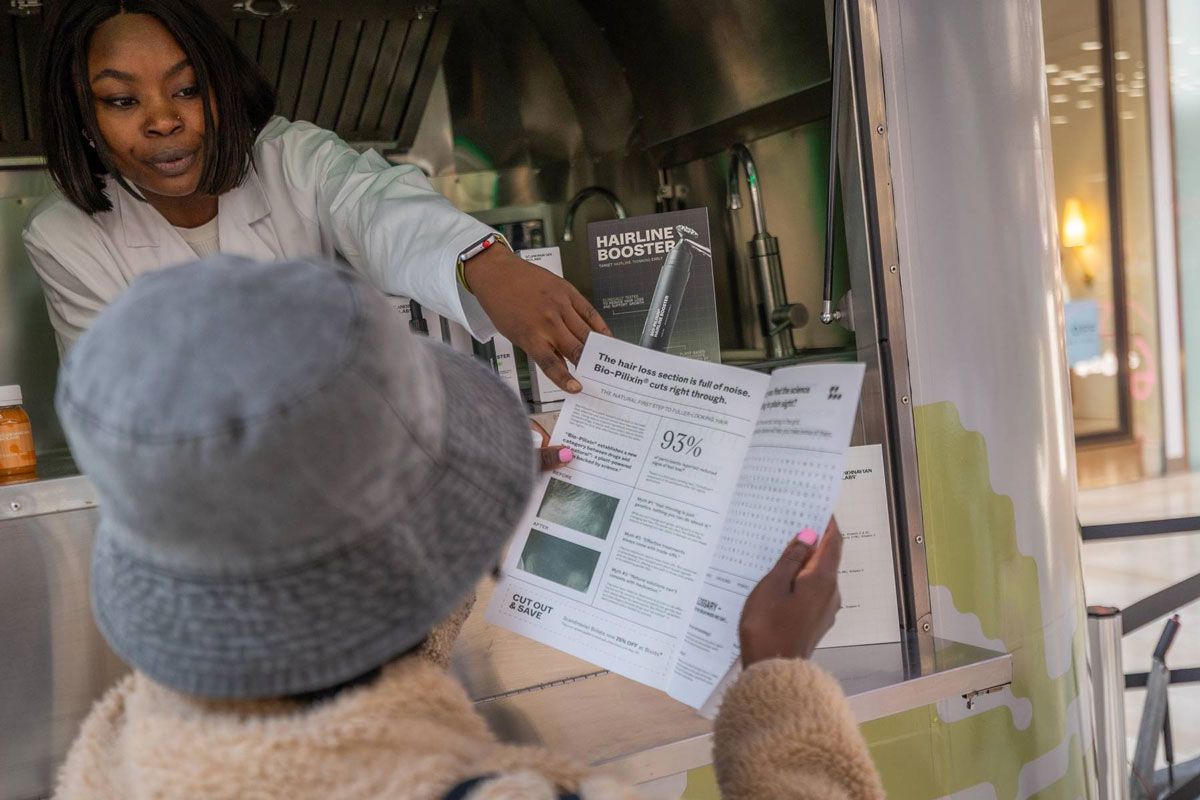
Retail has its own language, its own logic, and its own hidden levers. If you have only built online, you should not assume you can just figure it out from a spreadsheet. Please hire or talk to (and actually listen to) people that have done it before, it will save you lots of time and money.
5. Compliance, compliance, compliance
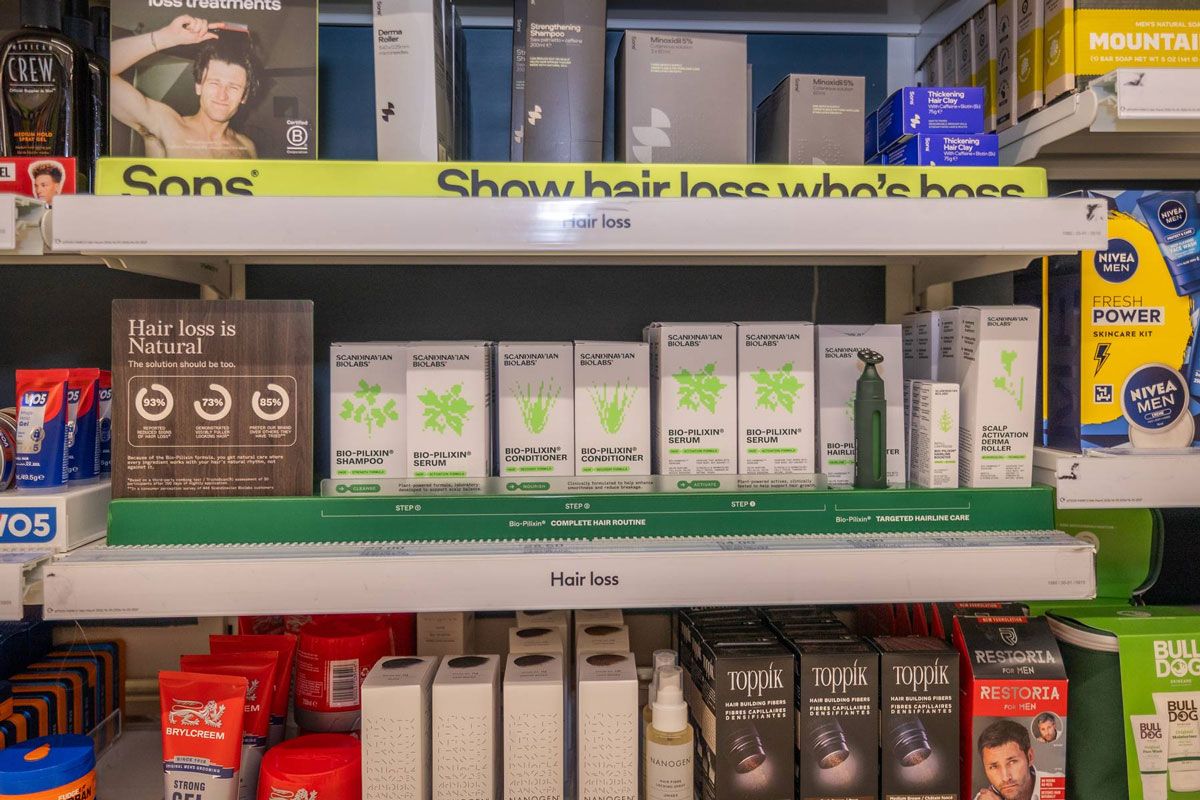
You can negotiate specific placements, displays, activities, and visibility. That doesn’t mean it magically happens perfectly in every store. You need to check — especially in the important locations. And this is the painful part: you can be billed for activities even if execution is not what you expected.
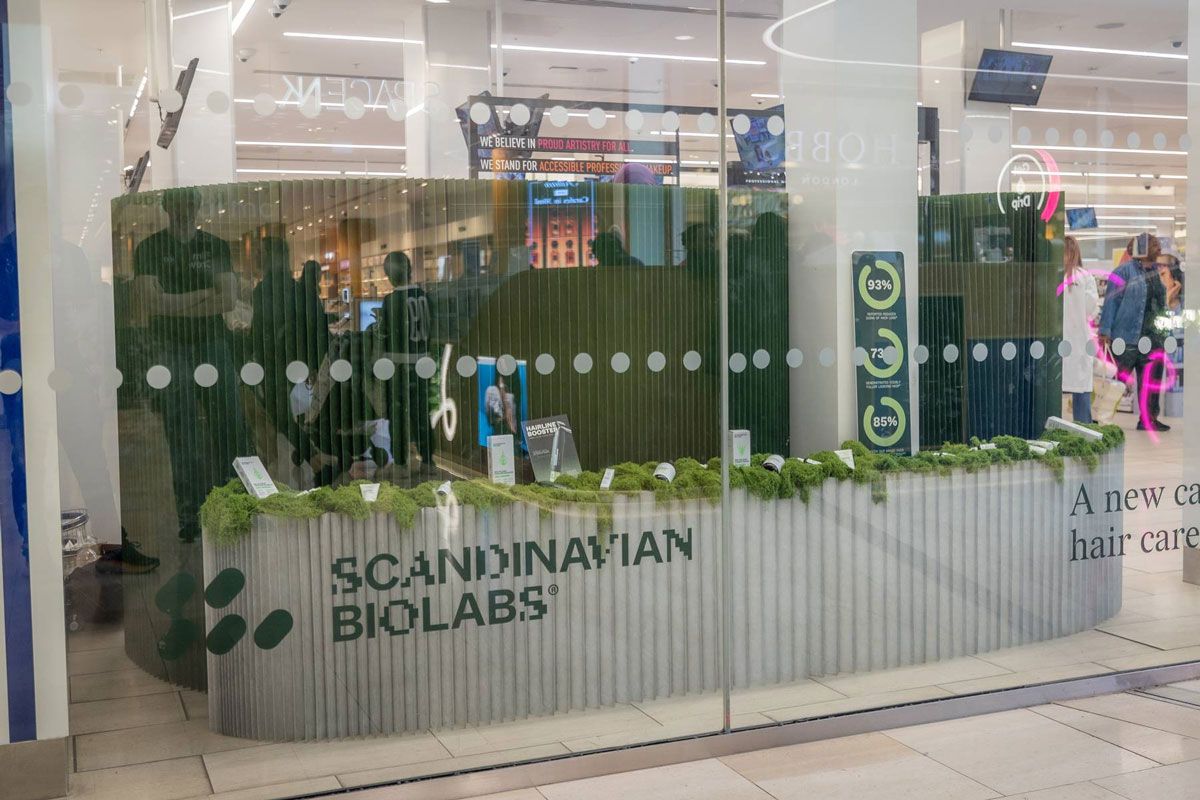
So you need people on the ground to do store checks. You need follow-up. You need to make sure what was agreed centrally is actually happening locally.
This isn’t because retail partners don’t want to deliver. Every retailer is doing so much, all the time that it’s hard to keep on top of everything. You need to help support local branches in understanding why specific activities matter and help them prioritise. If you can take some of that load off their plate by securing the details and making sure marketing assets are properly utilised, that is a huge win-win. They will be genuinely happy for it, both at HQ and at store level.
6. Relationships matter, especially in big systems
Even in a system as big as Boots, people matter. Maybe even more so. Things take time. There are many stakeholders. There are processes. There are priorities.
One of the most important things you can do is make sure the people on the retail side are genuinely excited about your brand. If they understand the story, believe in the product, and feel there is momentum, everything becomes easier, because they are able to communicate internally from a place of excitement, not as a pure business transaction. If they don’t, you are just another supplier trying to get attention.

However, in the end, the math still needs to work no matter how well you deliver the vision. You are there to make them sell more, so you better make that case clear. Show what you have done in the market and exactly why you fit into their strategy, and can help them gain new customers or gain more margin on existing ones.
7. Apply a haircut to your forecasts
As business founders, we’re all optimistic. Everyone wants to believe in the upside. And to take an idea from nothing and build it into something you need more than a bit of optimism or you’d never have gone into business in the first place.
But as a founder, you also need to protect the business from having too much stock and too much working capital tied up in assumptions.
I would advise applying a healthy haircut to forecasted volumes. You really don’t want to overstock early. It is much better to build from a solid base than to sit with too much inventory at a retailer and suddenly have a talk about why your product is not moving fast enough.
8. Retail has to be a dedicated strategic priority
This is probably the most important lesson I’ve learned in recent months. Retail can’t just sit on the side while everyone is still mainly focused on DTC. If you want it to succeed, it needs ownership, management attention, follow-up, and constant push. It takes way more work than you think.
9. Connect retail and online from day one
The one thing I would do differently is connect retail and online better from the start. We should have used the Boots launch more actively across our own website, email, paid social, landing pages, and customer journey. Not just as a PR announcement but as a trust asset throughout the online funnel.
If retail gives you validation, that validation should be visible everywhere customers meet the brand. That’s been a big learning for us, and we are still only scratching the surface on how well we can activate that flywheel.
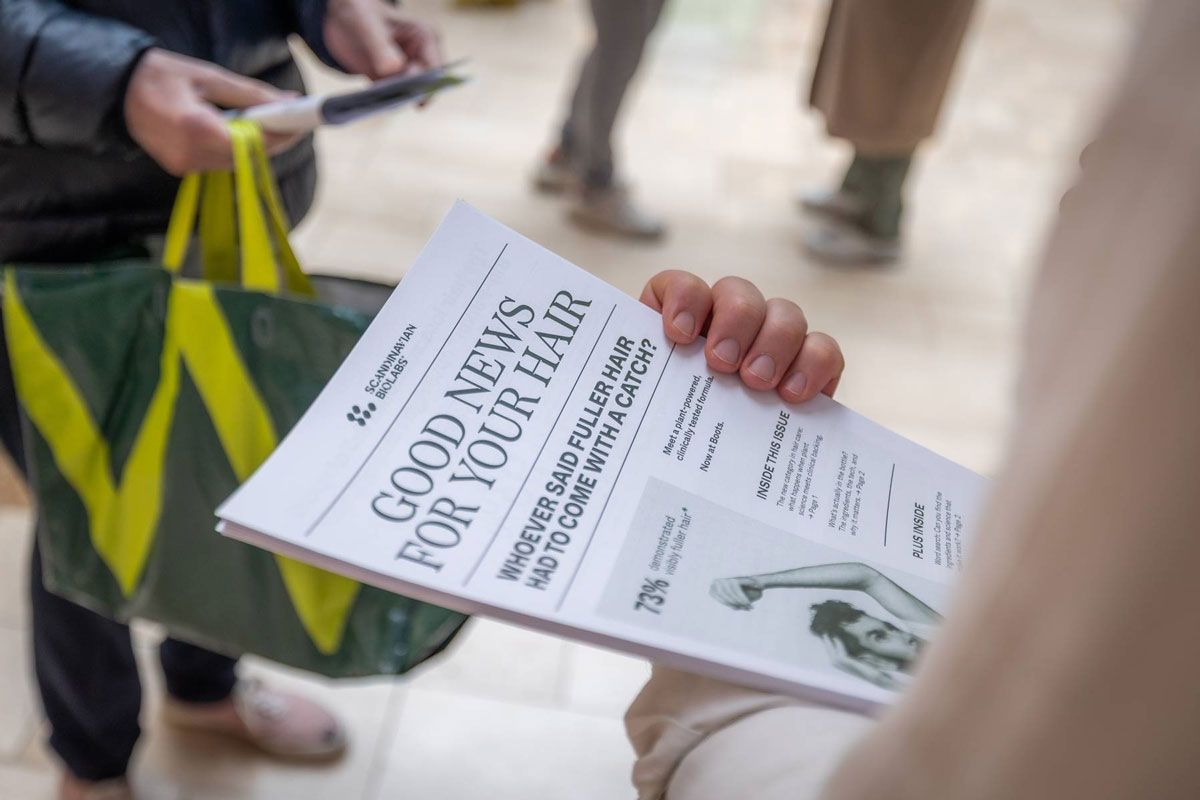
What it feels like to go live in-store
Launch day was honestly quite surreal. We’ve spent years building Scandinavian Biolabs through websites, dashboards, performance marketing, subscription data, customer reviews, product development, and a lot of very unglamorous work.
Then suddenly you are standing in Boots, watching real people walk up to the shelf, pick up the product, ask questions, and talk about their hair. That hits differently.
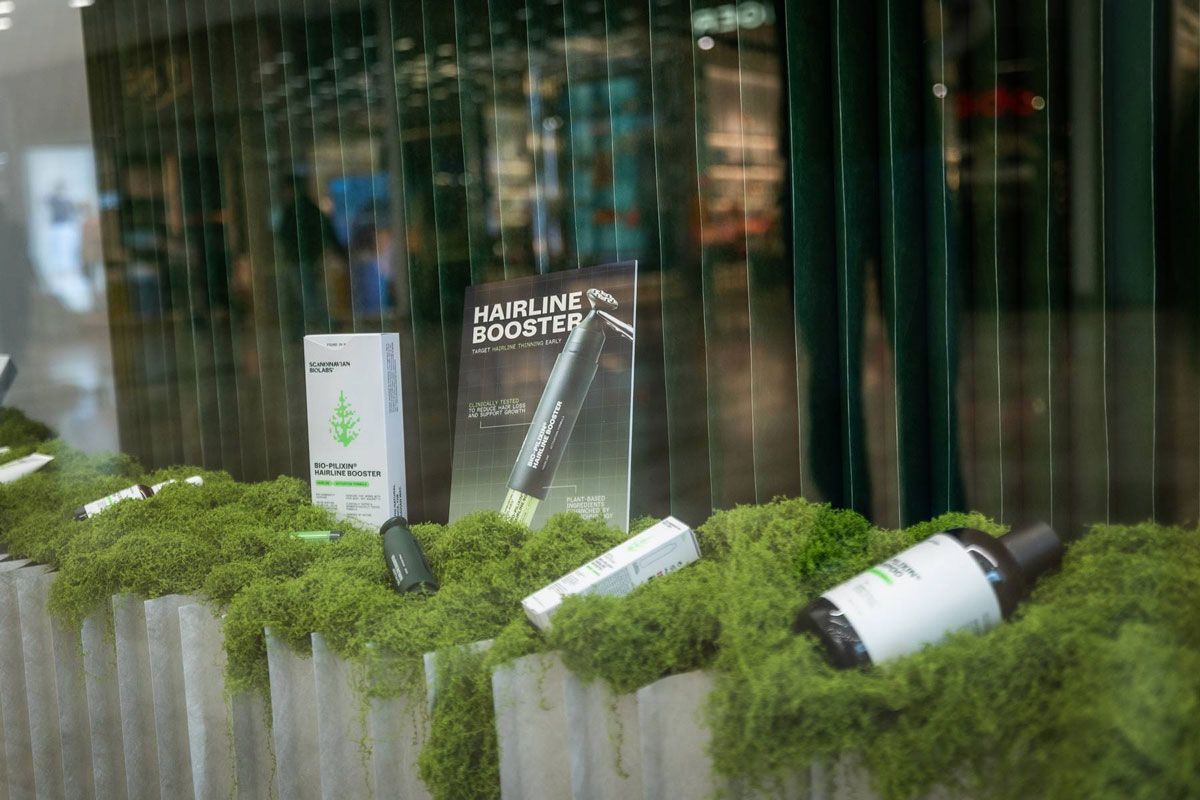
We had creators and journalists coming through, which was great and obviously important for the launch. But the best part was the customers. Some knew the brand already. Some had never heard of us. Some were very open about their hair loss. Others were clearly more cautious, which I completely understand. Behind CAC, ROAS, sell-through, sell-in, conversion rate — all of it — there is someone who just wants to feel a bit more confident.
I felt proud, grateful, and slightly terrified. Proud because Boots is a major milestone for us. Grateful because the team worked incredibly hard to get us there - this was a magnificent effort across everyone in Scandinavian Biolabs. And terrified because once you are in a retailer like Boots, the bar is higher, and execution is the only true metric of whether we have a successful new channel six months from now.
Retail is not passive distribution. It is an operating system. And if you want it to work, you need to operate it.
AUTHOR
SUPPORTED BY PAPER RUN

Paper Run helps brands win back customers that email can't reach through automated direct mail that integrates with Shopify & Klaviyo.
SUPPORTED BY WAYFLYER

Wayflyer provides purpose-built financing to consumer brands worldwide, deploying over $6 billion to 7,000+ businesses since launching in 2020.
SUPPORTED BY RIVERFLOW

Riverflow is the leading creative AI platform for CPG and Fashion brands, built specifically for high quality, brand accurate visuals in both photoshoots, static ads and videos.
SUPPORTED BY VINE TALENT

Josh at Vine Talent provides consultative executive search for ambitious European consumer brands, helping founders access the calibre of international talent needed to unlock their next stage of growth.
JOIN OUR FOUNDER NETWORK:

VENICE FOUNDERS NETWORK
Where 200+ European consumer founders solve problems together.
An independent space for Europe's Consumer Founders & CEO's.