
Oshun grew by sequencing its bets. It started out with organic growth first, then ads, then layered in subscription. It has compounded 10-15% a month without burning cash or hiring full-time staff.
When Oshun launched in April 2024, its founders didn't switch on a single paid ad for three months. The near-bootstrapped European electrolyte brand, backed only by a small angel round, has since grown to 7,500 subscribers and expects to clear 10,000 by the end of 2026, a goal it set at the start of 2025 and now looks likely to hit early. It has been profitable, co-founder Joe Welstead says, "consistently from the very first month."
Three months of conversations before a single ad
Oshun's first phase wasn't really growth-focused, it was research. Before launch, the team tested the brand name and direction through surveys on X and LinkedIn. After launch came the harder question: would people actually pay? For the first three months, growth was entirely organic, slower than a cash-fuelled launch but far more informative.
"The advantage for us was that we spoke to tons of people," Joe says. "What that gave us is a clarity on who's going to be interested in this product, and what do we need to say for them to be interested and go ahead and buy."
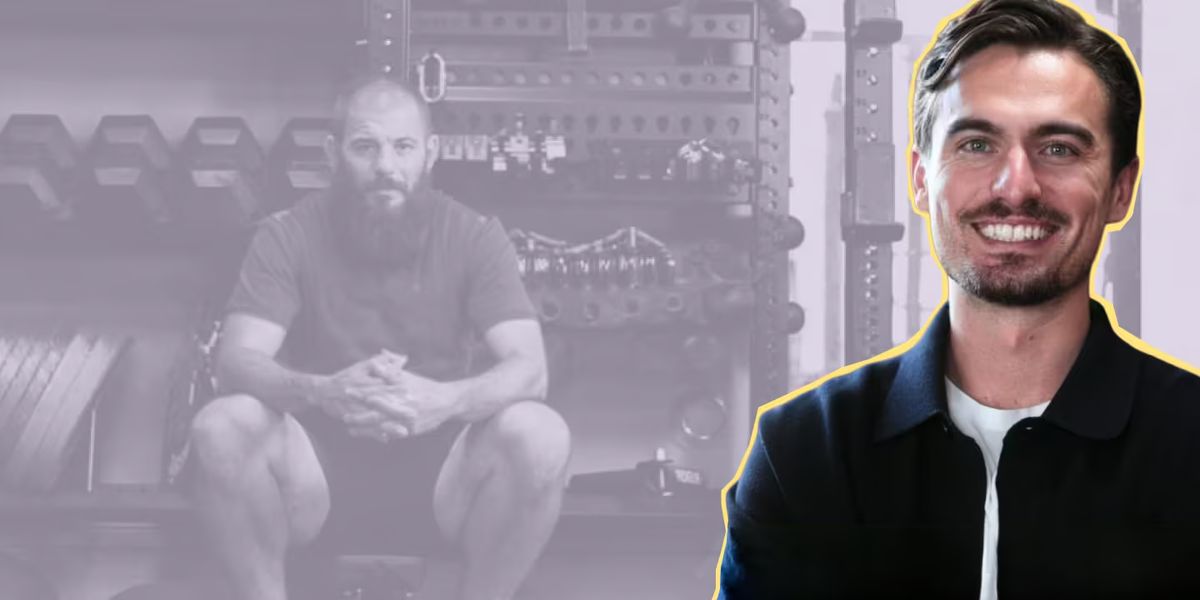
That meant working personal networks. Joe had run a previous supplement brand; his co-founder Jack also had connections among health practitioners and influencers. "It was basically an exercise of not just broadcasting on Twitter, Instagram or LinkedIn, but actually one-to-one messaging and calling people," he says. "It is slow, but you get real first-party data because you're actually having the conversation yourself."
Turning Meta on with confidence
Once the team had confidence in who its audience was and what messaging was resonating they began to test Meta ads. The open question was whether messaging that landed in person would survive the jump to ads.
Talking one-to-one, Joe could say: "This is what the product is, this is what it's for, I'm the founder, this is why I did it, I think it's going to help you." A static ad asking a stranger to click and buy is a different proposition, so the early work was translating what worked in conversation into creative that could carry the message without him.
His answer was to lead with emotion rather than specs. "A lot of early-stage brands will focus on product specs or ingredients or even benefits. But really the first interaction needs to be emotional at some level. And then you can give them the facts," he says.
A lot of early-stage brands will focus on product specs or ingredients or even benefits. But really the first interaction needs to be emotional at some level. And then you can give them the facts.
Discipline mattered as much as message. With a limited budget, Joe refused to spread spend thin, keeping creative volume and spend in proportion so he could read what was working. "If you have too many assets, not enough spend, [you] won't use your assets. If you have not enough assets, too much spend, it's just going to be inefficient."
Why standing out beat fitting in
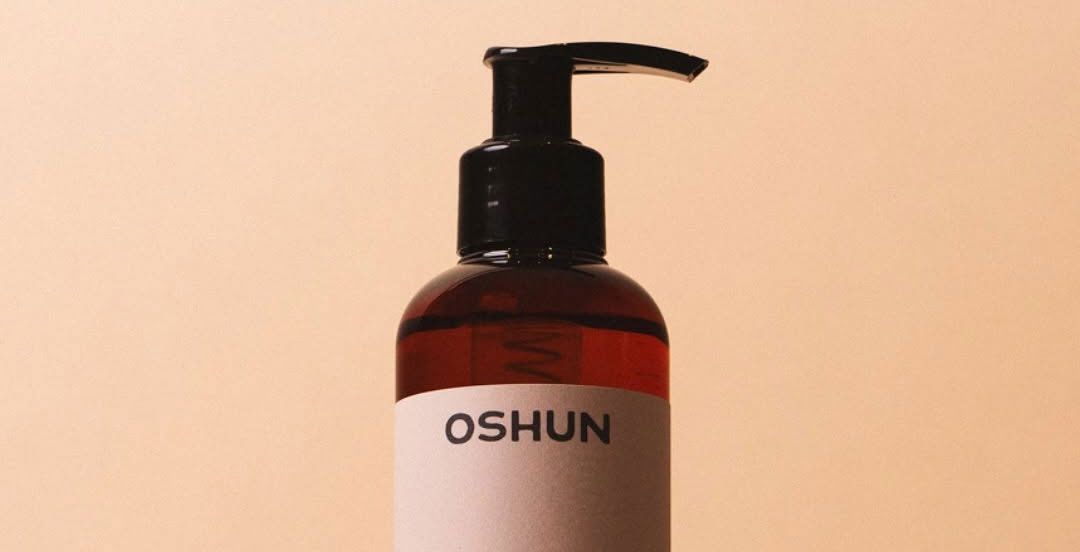
Joe doesn't think of Oshun as a supplement company at all. "I don't even necessarily consider Oshun as a supplement brand. It's more of a beauty lifestyle brand," he says, noting that many customers are buying their first-ever electrolyte or even their first supplement. That audience shaped the product: a frictionless, countertop format rather than a gym-bag sachet. "We wanted to be basically the Aesop of electrolytes," Joe says, a brand you leave out rather than hide in a cupboard.
Join European founders, operators, and investors who read The Checkout every week.
The design did helped get the brand out there for free. It polarised people enough to generate organic reach with one design publication running a post suggesting the brand had forgotten to hire a designer. "They couldn't fathom the concept that this was a purposeful design decision," he says. With the right audience and a little ad context around it, the same distinctiveness converted.
Making subscription the north star
Joe is adamant that starting ads and subscription at the same time would have left him flying blind. "If we started with subscription and started with ads, how do you know that it's good? The only thing you can really measure is how high your CAC is and maybe how much LTV you're getting, but there's so many variables that are out of your control."
By the start of 2025, with product-market fit and sticky repeat purchase established, Oshun made subscription its north star. The signal to commit wasn't a spike in subscribers but the depth of emotion in customer feedback. Oshun was getting reviews explaining how customer’s skin had improved, family members were asking what their new skincare routine was, and people telling them they looked years younger.
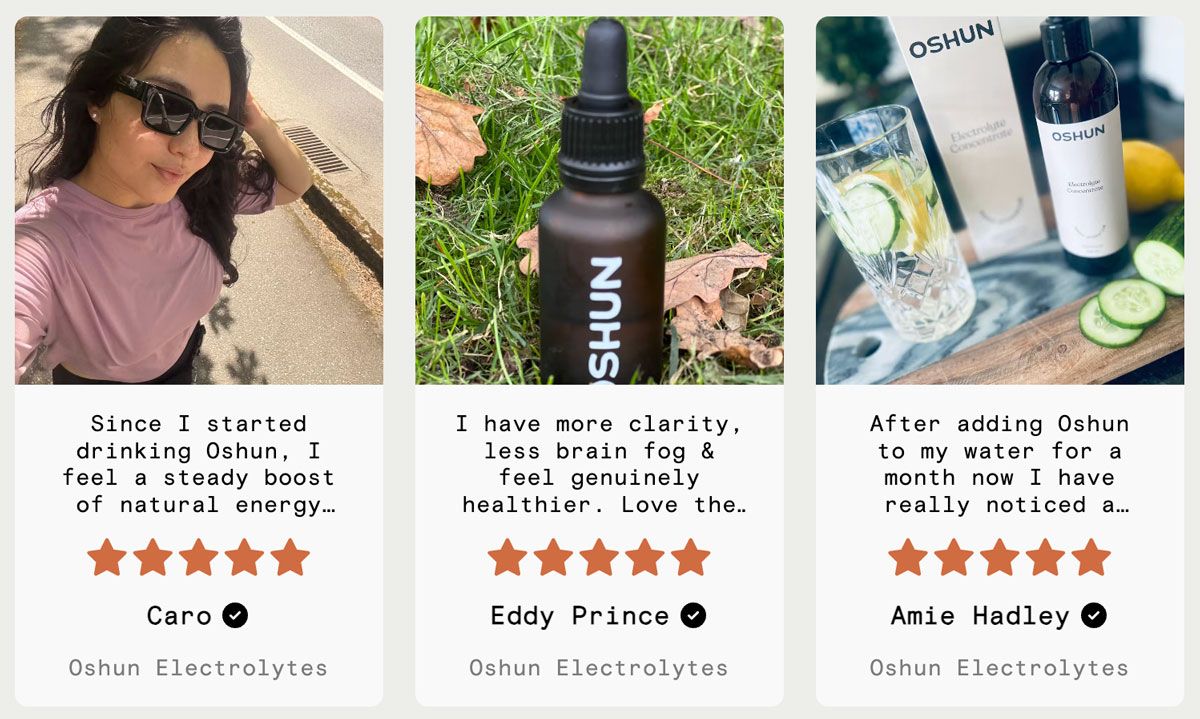
Feedback that emotional, Joe reasoned, meant the product was earning a place in customers' daily lives, exactly the attachment a subscription depends on. Oshun isn't a powder you reach for after a hard workout; it's something customers take every day, with benefits that compound over time. "If you essentially enhance your water every day, you're going to have more energy, your skin's going to be clear, you're going to have less brain fog," he says. A product built for daily ritual, the logic goes, is one a subscription genuinely serves.
The self-funding flywheel
The brand had just 300 subscribers when it shifted focus. The mechanics it built around them now drive the business. Oshun moved off Shopify's free subscription tool to Skio, which sharpened the checkout experience, then made subscription the default without hiding it. "It's very clear that it's a subscription, but it is the default choice," Joe says. Modest price hierarchy rewards subscribers, and skipping a renewal is deliberately frictionless: "We'd rather somebody skips rather than cancel if they have too much." The uptake, he says, was "almost immediate."
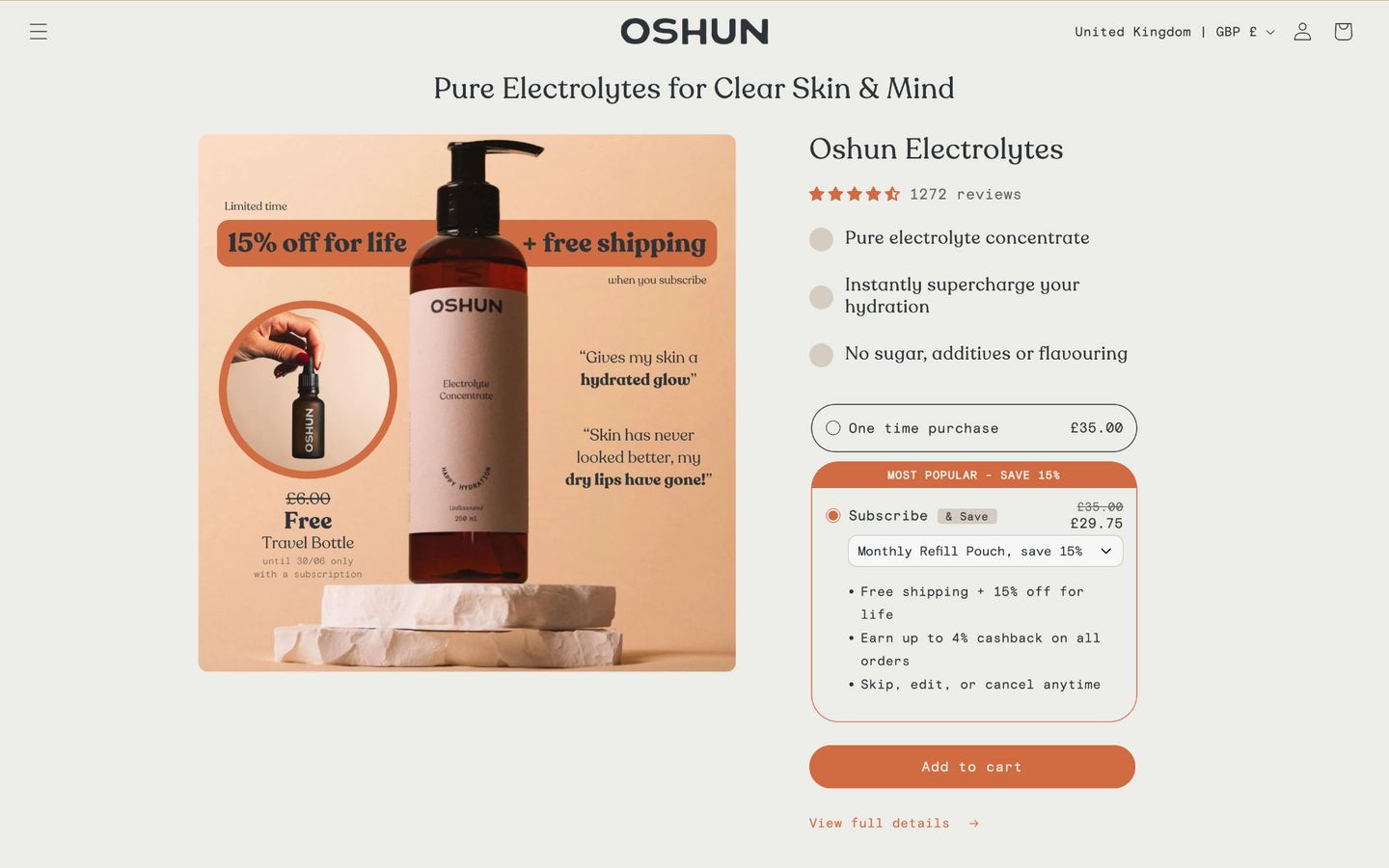
The payoff is a self-funding flywheel, where subscription income covers the cost of acquiring new customers. "Our recurring income ends up being our acquisition line," Joe says.
That lets Oshun grow steadily and profitably, around 10-15% a month, rather than chasing the 50-100% bursts that demand outside capital. "If the product is right for it, it's just a fantastic way to build it," Joe says, "because suddenly you have a lot of the leverage and power" that founders would otherwise raise money to secure.
His caveat is that subscription can't be forced. "I really don't like tricking people into subscription. It needs to be a conscious choice."
A two-product brand, expanded on customer demand
Oshun held to a single hero product for a long time before expanding the range, and each addition has a clear strategic rationale. A smaller mini, launched in the past month and is sold online and being carried by a wellness retailer, opening up a new channel for the brand.
Joe was deliberately cautious about putting the core product on shelves. "We didn't want to have our hero SKU in retail. We also didn't feel it was the right price point for it," he says. The mini solves both problems: a cheaper, retail-friendly entry point that brings in new customers without cannibalising or discounting the hero line.
The expansion runs upmarket too. A refillable glass bottle for life is coming soon, adding another premium layer to the core range, the idea being that a shopper who first meets Oshun through the mini in a store trades up to the bottle-and-refill system online.
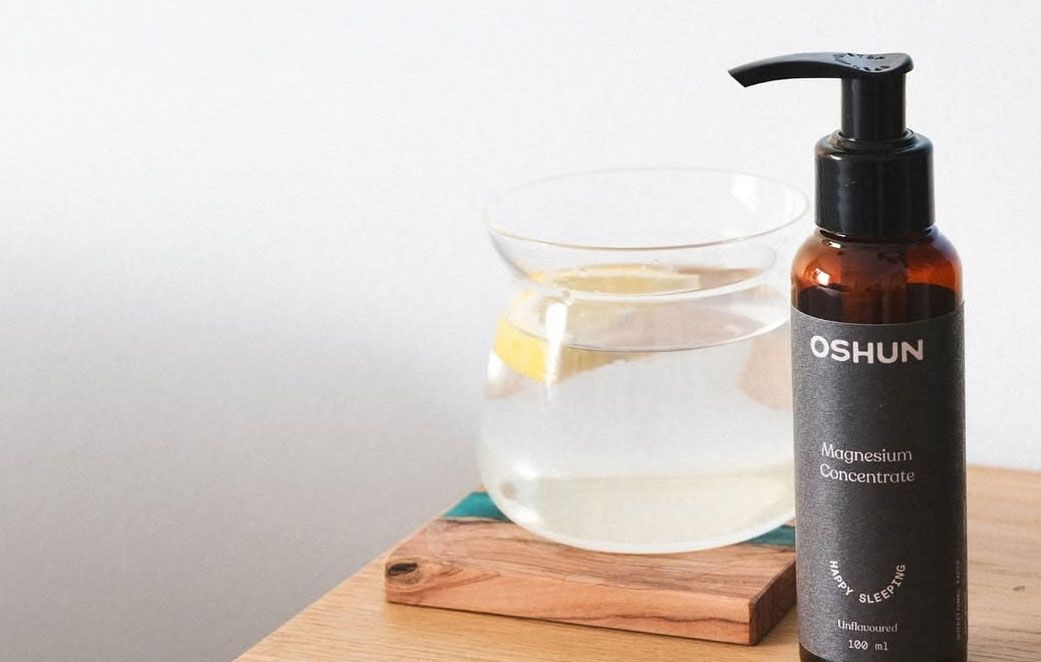
A magnesium product, the brand's second, came straight from customer requests. "Over the first year a lot of people were asking us if they could take our electrolytes with their magnesium supplement," Joe says. "Eventually it became: yes, buy it from us."
Three founders, no full-time hires
Underpinning the lean model is a deliberately narrow team. Oshun is run by three co-founders: Joe on performance, acquisition and retention (Skio, Klaviyo flows); Jack on community, content, seeding and affiliates; and Nik on ops and finance. Beyond one customer-support contractor and a recently added freelance PR, there are no full-time employees.
His view is that founders over-index on raising money and under-index on doing the work themselves. "You don't need to hire an email specialist when you're doing your first year of revenue," he says. He never ran ads before Oshun; he learned. He's currently teaching himself Replo to build a new product page rather than pay a developer. "I'd much rather learn it first. At least I'll know what I'm paying for."
Not everything has worked. Joe wanted Pinterest advertising to land and couldn't crack it, concluding the context was wrong: a user browsing home decor or wedding inspiration isn't in the headspace to buy a daily supplement. "Maybe there are contexts where it is right. I haven't found it yet."
The other path to growth
Oshun's story runs against the default DTC playbook of raising capital, scaling ad spend fast, and worrying about margins later. Each layer of the business only got switched on once the previous one had proved itself: conversations before ads, ads before subscription, subscription before retail.
Growing 10-15% a month is slower than a venture-backed sprint, but it compounds, it has been profitable throughout, and the brand is on pace to hit 10,000 subscribers faster than the team projected.
For founders weighing a raise against patience, Oshun is a working example of the second option where each new layer of spend is earned and recurring revenue rather than investors fuel the growth.
AUTHOR
CONTRIBUTOR
SUPPORTED BY PAPER RUN

Paper Run helps brands win back customers that email can't reach through automated direct mail that integrates with Shopify & Klaviyo.
SUPPORTED BY WAYFLYER

Wayflyer provides purpose-built financing to consumer brands worldwide, deploying over $6 billion to 7,000+ businesses since launching in 2020.
SUPPORTED BY RIVERFLOW

Riverflow is the leading creative AI platform for CPG and Fashion brands, built specifically for high quality, brand accurate visuals in both photoshoots, static ads and videos.
SUPPORTED BY VINE TALENT

Josh at Vine Talent provides consultative executive search for ambitious European consumer brands, helping founders access the calibre of international talent needed to unlock their next stage of growth.
JOIN OUR FOUNDER NETWORK:

VENICE FOUNDERS NETWORK
Where 200+ European consumer founders solve problems together.
An independent space for Europe's Consumer Founders & CEO's.