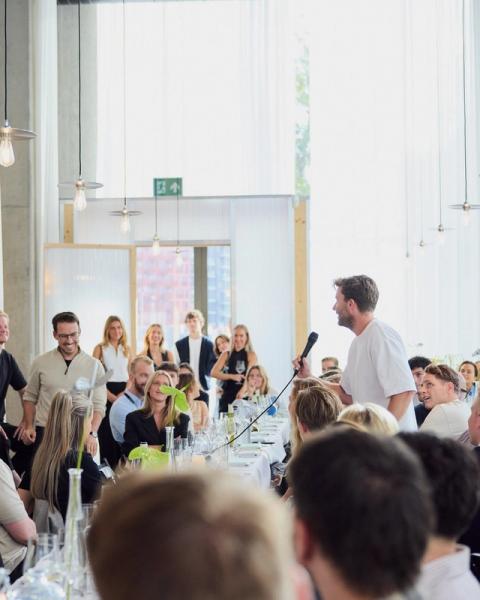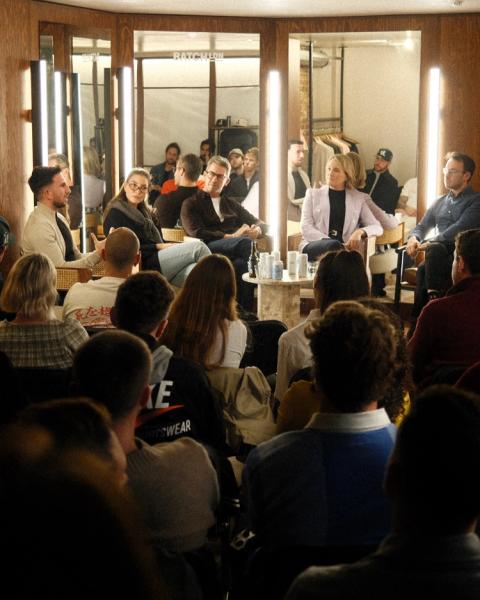
Majic didn't start as a business, in all honesty. It started with me making high-protein cookie dough wherever I could find a kitchen, at home, in Airbnbs, in uni kitchens. I'd make it and post it online, and then strangers on Instagram started asking if they could buy it. That was when it started turning from a hobby to a brand.
We built a small following and a pre-order list, launched our website in 2023, and converted a 16ft blue shipping container into our first kitchen. Our first proper production week was about 50 orders. It felt like loads. It wasn't, but it meant everything to us.
Selling out in seconds
The second turning point was going viral. In early 2024 a few of our videos took off on TikTok and Instagram, with some hitting one, two and three million views, and our following grew from 5,000 to 15,000. Orders came in faster than two founders with day jobs could make them.
So we moved to a drop model, with new flavours every month and a 7pm restock every week. The queues on the site were wild, and restocks sold out in minutes, sometimes seconds. From the outside it looked like a clever scarcity play. Honestly, it was just all we could make. Messages from disappointed customers who couldn't get an order in were hard to read, but they told us the demand was real.
From the outside it looked like a clever scarcity play. Honestly, it was just all we could make.
The third turning point was going all in. We quit our jobs, moved into our own production facility in September 2025 and put everything back into the business. We didn't pay ourselves a salary until this year. We can now make around 5,000 desserts a week, which meant we could finally move from drops to being in stock every day.
Treating every customer like one of our first ten
We've collected every email since day one, and I still write every email myself. Every order went out with a handwritten note. We reply to every comment, DM and review ourselves, because at the end of the day we're real people who care about the people buying from us, and we think that's what a brand should be.
Our mailing list is called the Majic Circle. They get early access, exclusive codes and first dibs on new drops, so they feel like genuine insiders. Our wider community, the Majicians, have a real say in which flavours we bring out and even which packaging we go with.
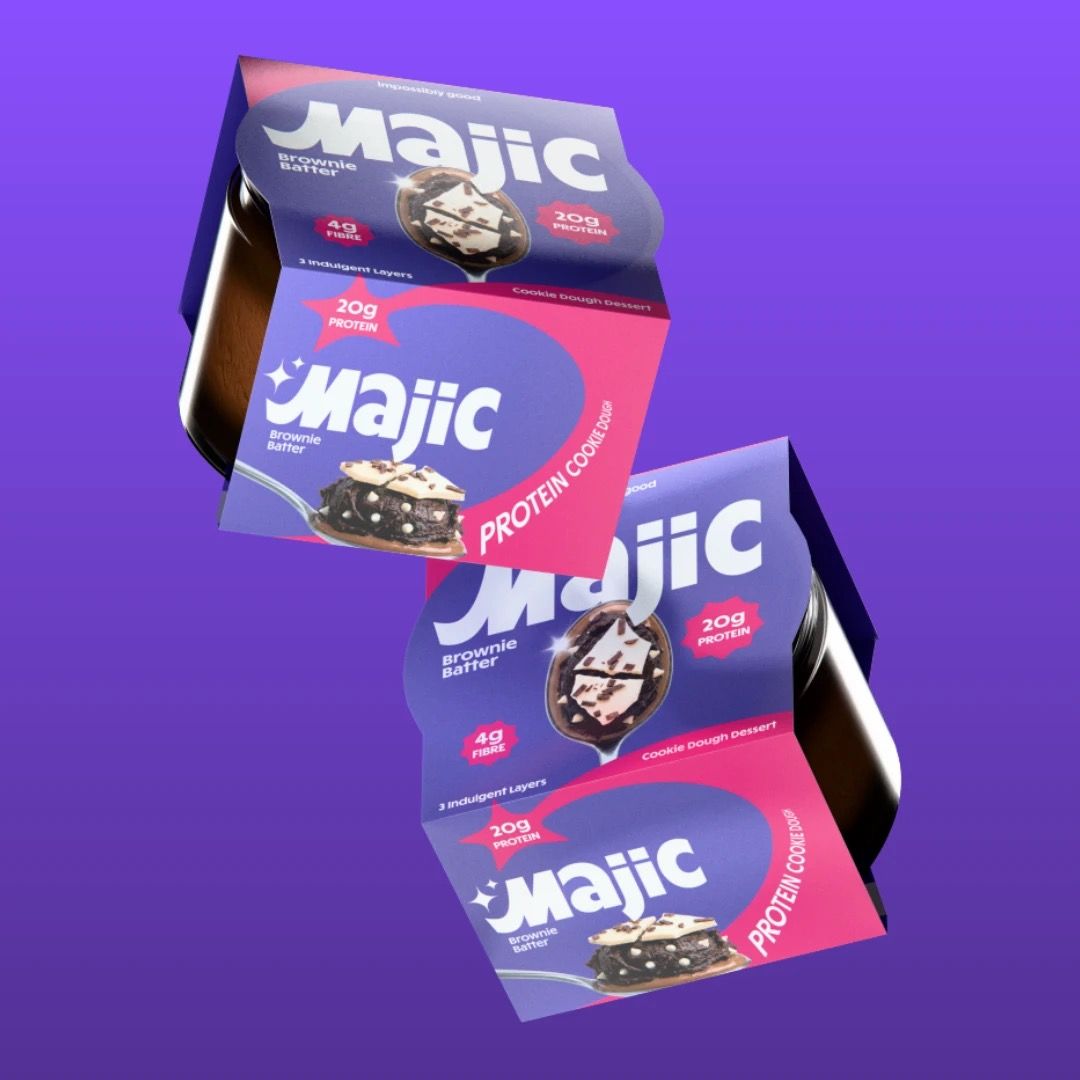
We also tried to make Majic something people want to collect, not just try once. We're big fans of Pokémon cards, so for our Easter special edition we made four collectible box sleeves, each with a unique code that unlocked something free, like merch or a new flavour. It sold out on pre-order in a day and brought in £15,000 in a few hours, which was huge for us at the time.
Today 36% of our customers come back to buy again, and they buy 10 pots on average. That feels like a habit rather than a trial, and it's why we're launching a subscription box in the new year.
Content that doesn't feel like an ad
Organic content has always been our biggest driver. From the start we focused on making high-protein desserts look, feel and even sound like proper desserts, with no protein bar language. We also shared the honest, behind-the-scenes story of building the brand, and that opened doors we never expected.
Last year WWE champion Rhea Ripley reached out and invited us backstage at Monday Night Raw in London. We made her custom Majic flavours and delivered them in a briefcase. Very DIY, but an incredible moment. It's also how we met Harry Stebbings. His EA DM'd us on Instagram, we had product couriered to him the same day, and we pitched in under 24 hours with no deck. 20VC went on to lead our £500,000 round, its first ever consumer goods investment.
Join European founders, operators, and investors who read The Checkout every week.
Free weekly briefing
TikTok Shop is now our biggest sales channel, and when we switched on GMV a few months ago as a test, the products really took off. A lot of brands underuse it, though it depends on your product, your margins and how well you can create content that sells and work with creators on and off the platform.
The most underrated channel for us is creators. Nobody wants to be sold to, so we built our marketing around content that doesn't feel like an ad, before UGC was really a recognised term. Our in-house creator network is now more than 100 people. We reward them with commission, but we've never paid anyone to promote Majic. They post because they like the product. Not everyone would agree with that approach, but it's what I believe in.
We've never paid anyone to promote Majic. They post because they like the product.
What broke along the way
Honestly, a lot. In the container days the problem was simple: we couldn't make enough, and we were letting people down.
The factory brought a whole new set of problems. We ordered 50,000 of the wrong style of pot and couldn't get a refund, so we redesigned our packaging to fit them. It looks great now, but it wasn't fun at the time. We've bought machines that never worked accurately and that we're still trying to send back. For a small business, getting equipment is a nightmare: suppliers take forever, nothing arrives on time and things rarely work first time.
Protein prices have also risen massively, so ingredient supply and cost are a constant pressure. Cash flow is the thread through all of it. Scaling a food business, especially in protein, without capital is incredibly hard, which is part of why we raised early. And shipping a chilled dessert has always been a challenge, with heatwaves (yes, we do get them in the UK) and courier issues never far away.
What I'd do differently
If I had to get to 100,000 again from zero, I'd skip worrying about money and margins too early. They improve with scale. Early on, focus on building a loyal following, creating more demand than you can keep up with and getting the product right.
I'd also skip turning up to events and just setting up a tent to sell. Most events don't move the needle unless you make them. Overdeliver, make some noise, bring creators, capture content, run challenges and games, talk to everyone and try to be the best brand there. Collaborate with the other brands in the room, including bigger ones. We launched a Millionaire's Shortbread flavour with EHPlabs, made with their whey, at one of their Sweat Lab events, and it worked far better than any standard stall.
What I'd start earlier:
- Building connections. We came from Grimsby with no industry contacts, and it took us a while to realise how willing the right people are to help. I'd bring in advisers who've done it before much sooner. They'd probably have saved us some expensive mistakes.
- Testing before committing. Get multiple samples and trial runs before placing big orders or buying equipment. Our 50,000 wrong pots and machines that never worked could have been avoided.
- Giving product away. In the early days, free product is your marketing budget. It only works if the product and the experience overdeliver.
- Retail. It felt daunting because we don't come from this industry, but it's more achievable than it looks if you have a great product and can show traction.
- Content. We're as much a marketing business as a food one. I'd start my personal brand much sooner.
- Proper ecommerce foundations. Next time I'd set up subscriptions, email flows, Meta ads, fulfilment and partnerships properly from the start. We're only just doing all this now.
Dessert first, protein second
The biggest product lesson was that taste wins. We used to put protein in every layer of our desserts and hit really high numbers, but our customers told us loud and clear that taste matters most. They'd happily accept a bit less protein if the dessert was right. So we stopped chasing the biggest number on the label.
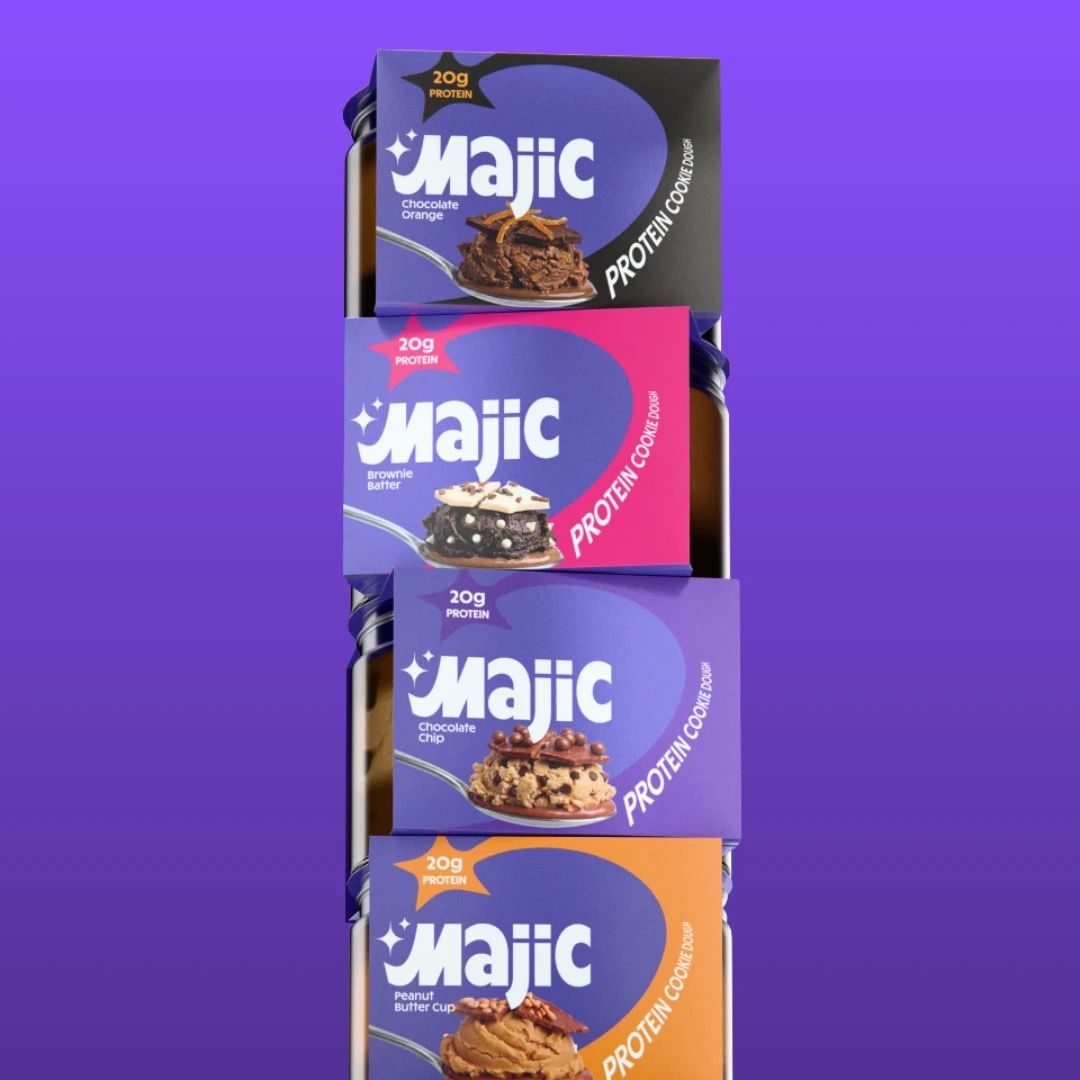
That changed a lot. We switched to a sugar-free Belgian chocolate made with high-quality real cocoa, which cut the sugar and improved the taste. We moved from just whey protein to a blend of whey, milk and soya for a better chilled texture and a longer shelf life, without relying on a long list of preservatives. And we've put a lot more focus on fibre, which we genuinely think will be the next protein-style trend.
Almost all of those changes came straight from customer feedback. Our monthly limited drops worked like an R&D lab: every month we tested a new product with real paying customers, and how fast it sold told us what to keep. We do all our product development in-house, so we can move much faster than bigger brands.
Health food has forgotten about enjoyment.
The other big decision was moving away from gym, supplement and protein culture and leaning into real dessert. Our rebrand with Regular Practice, our biggest single investment, was about making that shift clear. Health food has forgotten about enjoyment. Protein bars, shakes and artificial-tasting puddings ask people to compromise, and we don't think they should have to.